

 Women’s Comfort Shoes
 Men’s Comfort Shoes
 Kids Orthopedic Shoes
 Diabetic Shoes
 Shoes For Special Uses
 Insoles






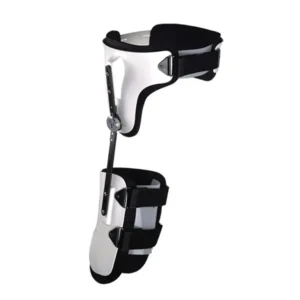
Hip Abduction Orthosis
A dynamic orthosis designed for the treatment of developmental hip dysplasia in infants. It promotes healthy hip joint maturation by holding the hips in the optimal therapeutic position of flexion and abduction, often referred to as the “seated squat” or “frog-leg” position. This mimics the natural pre-birth position, creating the ideal conditions for the hip socket (acetabulum) to develop correctly around the head of the femur.
Related products


Thoraco-Lumbo-Sacral Orthosis (TLSO)
- A custom-molded spinal orthosis designed to stabilize and support the thoracic, lumbar, and sacral regions. Its two-piece clamshell design provides rigid, circumferential control to manage a wide range of spinal conditions, from post-operative recovery to chronic instabilities, while ensuring patient comfort.

Reviews
There are no reviews yet.