

 Women’s Comfort Shoes
 Men’s Comfort Shoes
 Kids Orthopedic Shoes
 Diabetic Shoes
 Shoes For Special Uses
 Insoles




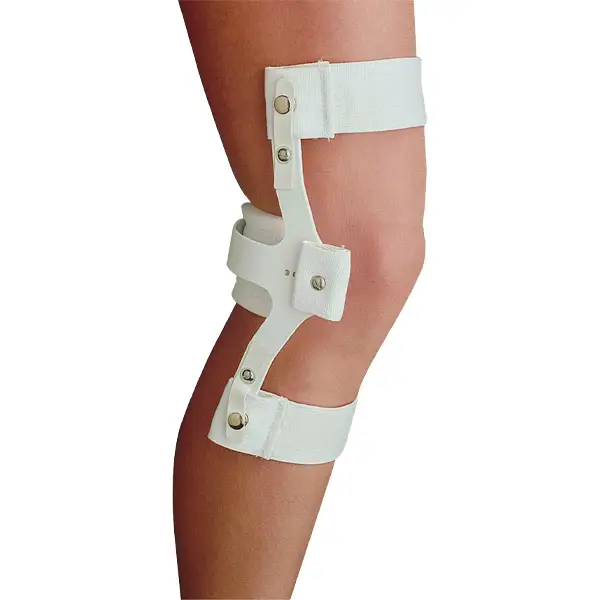

Three-Point Pressure Knee Orthosis
- A rigid knee orthosis designed to control mild knee hyperextension (genu recurvatum). It operates on a three-point pressure system, utilizing two anterior straps and a single posterior band to effectively limit excessive backward movement of the knee joint.
Description
- Hyperextension Control: The strategic three-point pressure biomechanics provide targeted resistance against knee hyperextension.
- Rigid Support: Features solid mediolateral (side) metal uprights integrated into a posterior band for robust structural support and stability.
- Secure Fit: Equipped with adjustable, non-elastic straps to ensure a secure and consistent fit without stretching during use.
- Low-Profile Design: Offers effective support with a minimalist design that is less bulky than traditional knee braces.
Reviews (0)
Related products
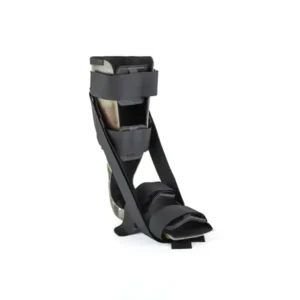
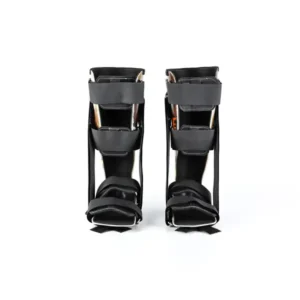
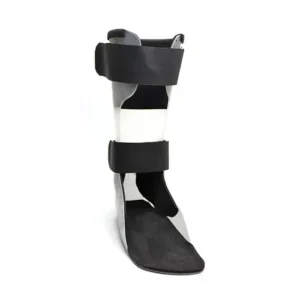
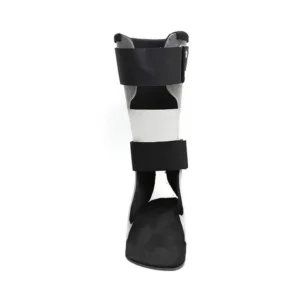
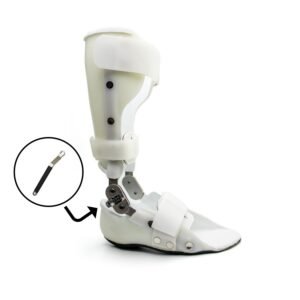
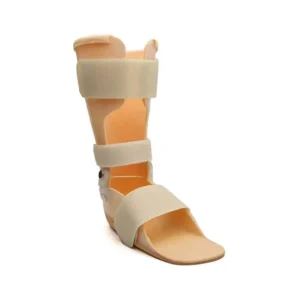
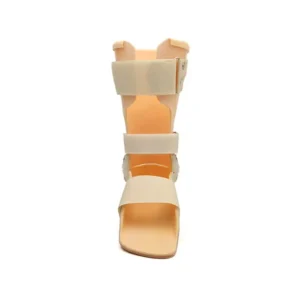
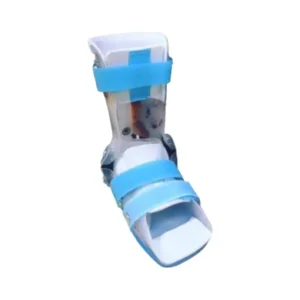
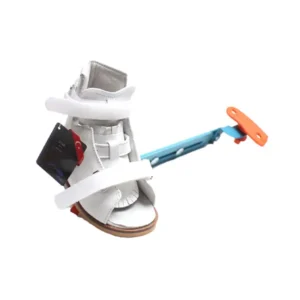
Ankle Contracture Orthosis
Properties:
- Provides controlled ankle support to prevent and correct contractures.
- Adjustable straps for a secure, customizable fit.
- Lightweight, durable materials (TPU or carbon fiber) for comfort and strength.
- Joint mechanism allows adjustable range of motion.
- Padded lining for pressure relief and long-term wear comfort.
- Ventilated design to keep skin dry and reduce irritation.
- Rigid foot plate for proper alignment and gait stability.
- Material: Thermoplastic polyurethane or carbon fiber composite
- Sizes: S, M, L, XL or (Custom-made)
- Weight: Lightweight for ease of use and mobility
- Prevention and correction of ankle joint stiffness or contractures.
- Post-injury or post-surgical rehabilitation.
- Management of neurological or muscular conditions affecting ankle mobility.
- Gait improvement and stabilization in patients with muscle weakness or imbalance.


Reviews
There are no reviews yet.